November 3, 2026
Choosing an enclosure for your residential property involves balancing classic curb appeal, everyday functionality, long-term durability, and regular upkeep. Traditional architecture often showcases a classic barrier to delineate boundaries while framing colorful landscape beds and front walkways. Today, property owners primarily weigh two prominent material selections when planning this charming perimeter addition: natural cedar wood and synthetic vinyl polymers.
Each structural composition offers distinct benefits, unique cosmetic characteristics, and particular maintenance demands throughout the seasons. Selecting a timeless picket fence requires examining how well each fabrication handles relentless sun exposure, driving rain, seasonal ground movement, and environmental shifts over time. Exploring these variables helps you determine which barrier style best complements your architectural landscape while serving your lifestyle.
Comparing Visual Appeal
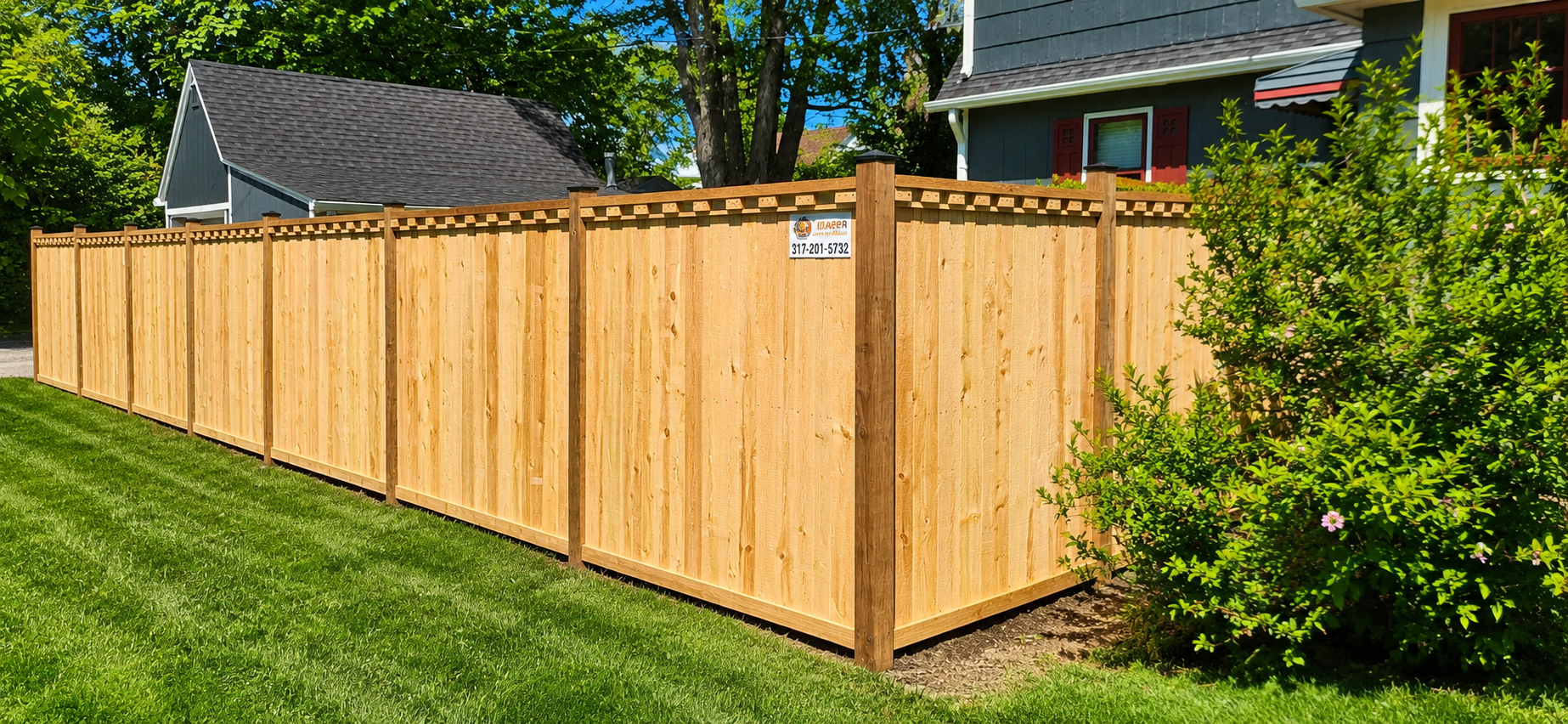
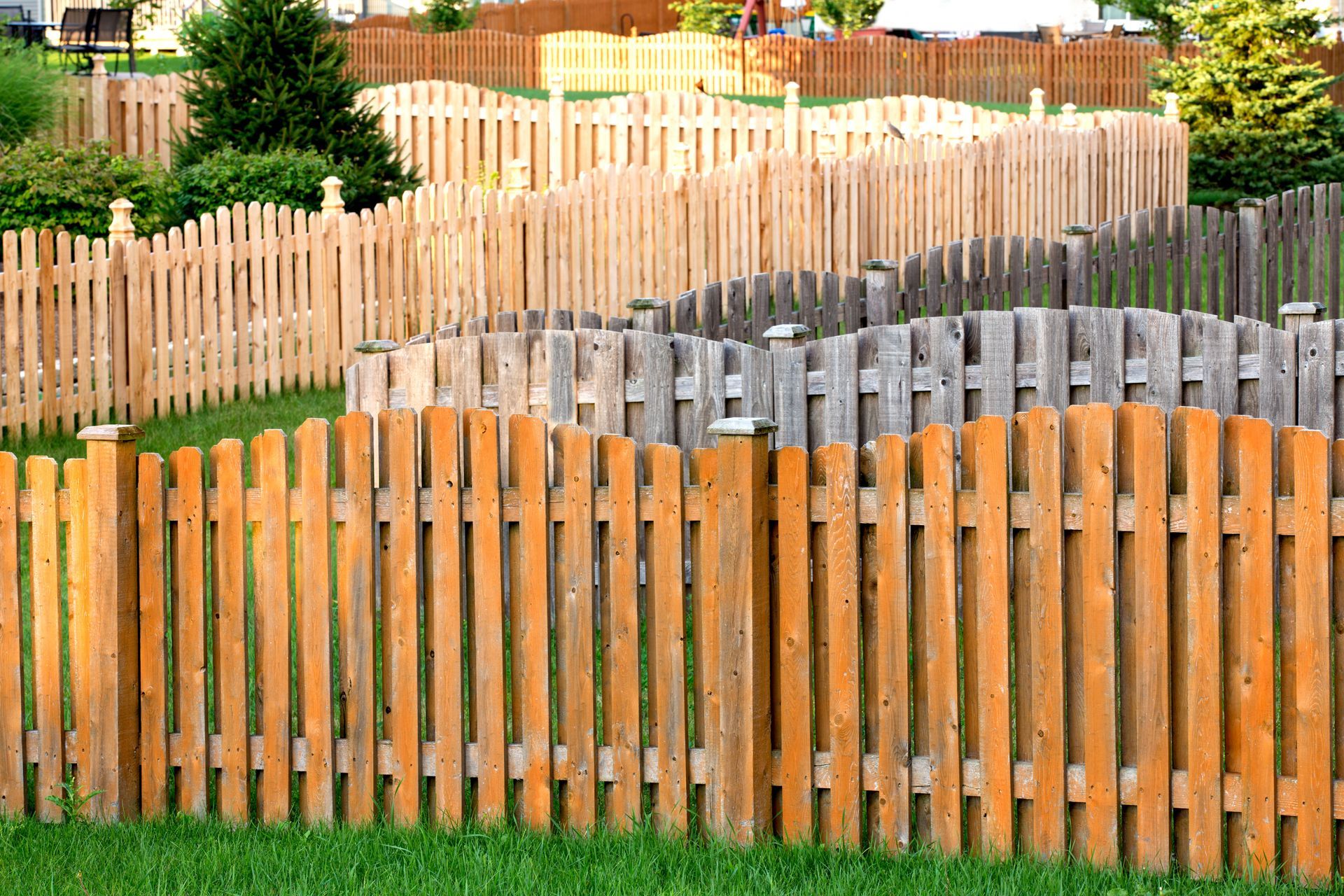
Natural timber possesses an organic warmth that synthetic alternatives continually attempt to replicate with mixed success. Cedar features distinctive grain patterns, rich amber hues, and charming surface textures that soften residential perimeters. Homeowners often appreciate the freedom to customize the final appearance using clear penetrating sealants, semi-transparent wood stains, or traditional white exterior paints.
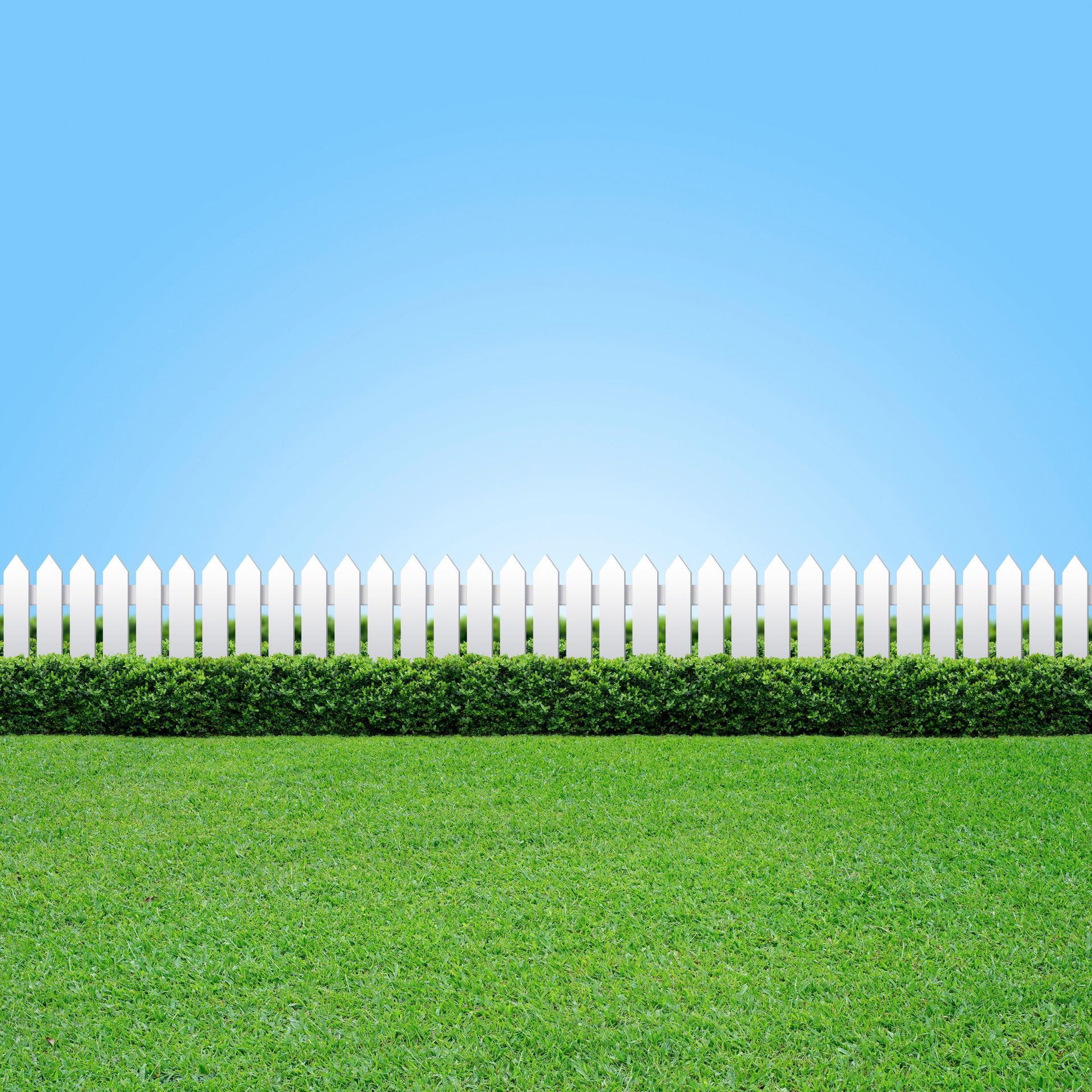
Conversely, polymer alternatives offer pristine uniformity that delivers exceptionally crisp borders around contemporary landscaping. The smooth, non-porous exterior of a vinyl picket fence stays bright and polished through relentless sunshine without peeling or fading. While early synthetic styles occasionally seemed overly glossy, modern manufacturers produce refined matte textures that present a clean, tailored finish along residential sidewalks.
Furthermore, changing architectural preferences might favor organic variations over uniform finishes. Natural cedar boards possess unique knots and subtle color variations that lend rustic elegance to cottage properties. In contrast, homeowners seeking architectural symmetry often prefer synthetic assemblies because every post, rail, and picket matches precisely across the entire boundary line.
Evaluating Material Durability
Cedar stands apart from standard pressure-treated pine due to naturally occurring organic compounds called thujaplicins. These natural preservatives provide inherent resistance against insect infestations, wood-boring pests, and fungal decay. However, untreated lumber remains susceptible to ambient moisture absorption, which can eventually promote gradual warping, surface checks, and persistent weathering under severe climate fluctuations.
Synthetic polymer structures eliminate concerns regarding organic decomposition altogether. A manufactured picket fence will never rot, harbor destructive termites, crack from deep seasonal ground freezes, or splinter beneath extreme exposure. Premium formulations incorporate protective titanium dioxide, shielding the vinyl components against ultraviolet degradation, embrittlement, and prolonged sun discoloration throughout the warmest summer months.
Structural stability also depends heavily on regional weather patterns. In climates experiencing severe windstorms, properly framed cedar possesses superior tensile strength that flexes under strong gusts without snapping. Meanwhile, vinyl panels absorb moisture-free dampness during persistent humidity, ensuring the framework never swells against connecting brackets or binds along latching hardware.
Assessing Maintenance Demands
Preserving the structural integrity of natural lumber requires routine homeowner diligence and proactive weatherproofing. Property owners must power wash accumulated surface dirt, remove organic mildew spores, and reapply protective sealants or exterior stains every few seasons. Neglecting this cyclical upkeep accelerates physical degradation, leaving vulnerable timber exposed to persistent rot and deep moisture penetration.
In sharp contrast, choosing an engineered picket fence reduces exterior chores to occasional rinses with a standard garden hose. Mild surface grime, garden soil splashes, or airborne pollen easily wash away using household dish soap and a soft sponge. Because polymer material never requires sanding, scraping, or repainting, homeowners save considerable personal time across many years.
Repair protocols also showcase fundamental operational differences between the two materials. When an impact damages a wooden boundary, a homeowner can easily unscrew and replace a solitary pale without disturbing adjacent framework. Repairing synthetic assemblies frequently requires disassembling entire interconnected sections, which involves unlatching interlocking rails from dedicated structural corner posts.
Analyzing Installation Factors
Installing perimeter woodwork demands precise carpentry skills, accurate post setting, and careful fastening techniques. Craftsmen must handle individual lumber pieces, securing rails using stainless steel or hot-dipped galvanized hardware to prevent premature rust stains across the pale faces. Handcrafted construction allows flexible adjustments when contouring borders along rolling lawns or rocky inclines.
Pre-routed vinyl components snap together seamlessly using internal tabs, brackets, and interlocking channels. Installing a synthetic picket fence requires perfectly plumb post holes and exact spacing, leaving virtually no margin for spatial error during initial excavation. Concrete footings must set completely level, as slight alignment discrepancies amplify visibly along the rigid, pristine polymer railing line.
Property boundaries featuring irregular grading present unique challenges for rigid synthetic panels. Stepping prefabricated panels leaves awkward triangular gaps beneath bottom rails, through which small pets might escape. Timber boards, however, easily accommodate custom scribing, allowing installers to trim bottom edges directly to the undulating surface contour of the earth.
Reviewing Cost Variables
Initial acquisition expenses for raw materials typically favor natural timber, making wooden borders appealing for immediate budget limits. However, long-term costs often balance out when calculating ongoing purchases of penetrating stains, protective sealers, brushes, and replacement hardware across several decades of ownership. Labor investments during construction also fluctuate based on assembly complexity and regional lumber availability.
Custom dimensions and height modifications also influence project budgets significantly regardless of material choice. According to HomeGuide, building an extra-high fence incurs a 20% to 30% additional expense because standard boards only come in 6- and 8-ft heights and must be specially cut to reach 10 feet. Customizing framework dimensions beyond standard configurations requires specialized fabrication, driving overall installation investment upward.
Moreover, investing in a high-grade vinyl picket fence typically commands a higher preliminary purchase price than untreated cedar boards. Yet, the absence of future painting expenses, chemical sealers, and premature panel replacements often yields significant financial value over decades.
Examining Environmental Impacts
Eco-conscious property owners frequently gravitate toward natural cedar because timber represents a renewable, biodegradable building resource. Responsibly harvested lumber sourced from sustainable forests sequesters atmospheric carbon throughout its useful lifecycle. When a wooden boundary eventually reaches the conclusion of its service life, the boards decompose naturally without leaving persistent artificial residues.
Conversely, producing synthetic vinyl requires petrochemical refinement and intensive manufacturing processes that consume non-renewable industrial resources. However, modern manufacturing facilities frequently incorporate recycled industrial plastics into internal core layers, minimizing environmental footprints. Furthermore, the extreme longevity of a durable picket fence means fewer resources get extracted over time to replace deteriorated sections.
End-of-life disposal remains an essential consideration for sustainability assessments. While wood decays safely in soil, disposed synthetic panels require transport to specialized recycling centers that process rigid polymers. Fortunately, the extended service life of quality vinyl prevents frequent disposal, ensuring materials remain functional along property borders for generations without entering municipal waste streams.
Selecting Ideal Settings
Determining whether cedar or vinyl delivers superior results ultimately depends on your landscape goals and architectural style. Traditional residences with historical character often benefit immensely from the timeless, earthy beauty that natural timber brings. A wooden barrier integrates harmoniously among flower gardens, towering shade trees, and rustic stone pathways, enhancing charming home styles.
Suburban homes featuring contemporary vinyl siding, composite decking, and clean geometric landscaping pair effortlessly with pristine polymer lines. Choosing a synthetic picket fence ensures your border matches home trim without demanding relentless repainting cycles.
Lifestyle commitments should ultimately steer your final choice. Busy homeowners who prefer spending weekends relaxing rather than scraping wood flaking under summer sun typically celebrate the hands-free convenience of synthetic materials.
Enhance your home security, neighborhood charm, and property value by partnering with Draper Fence & Rail Co to install the perfect boundary enclosure today.